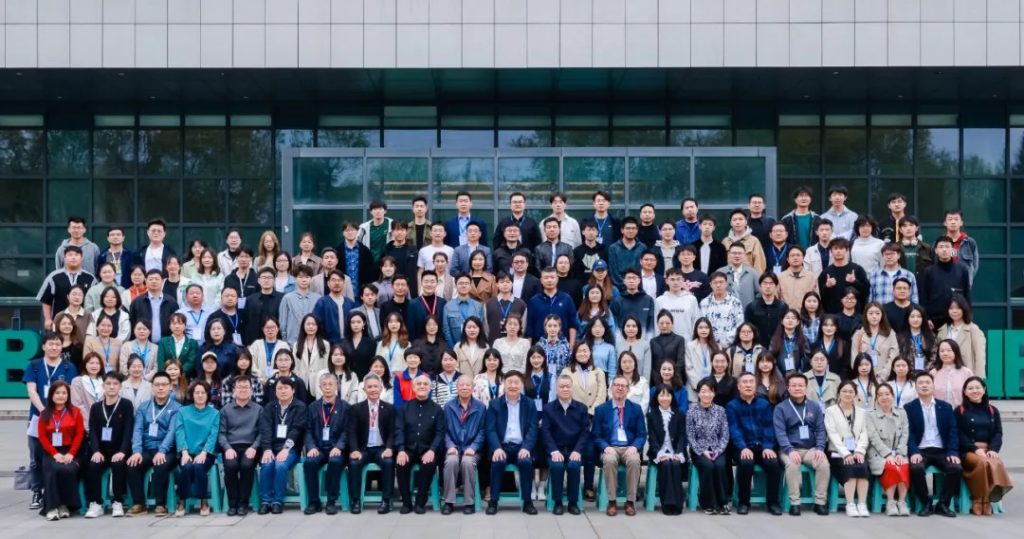
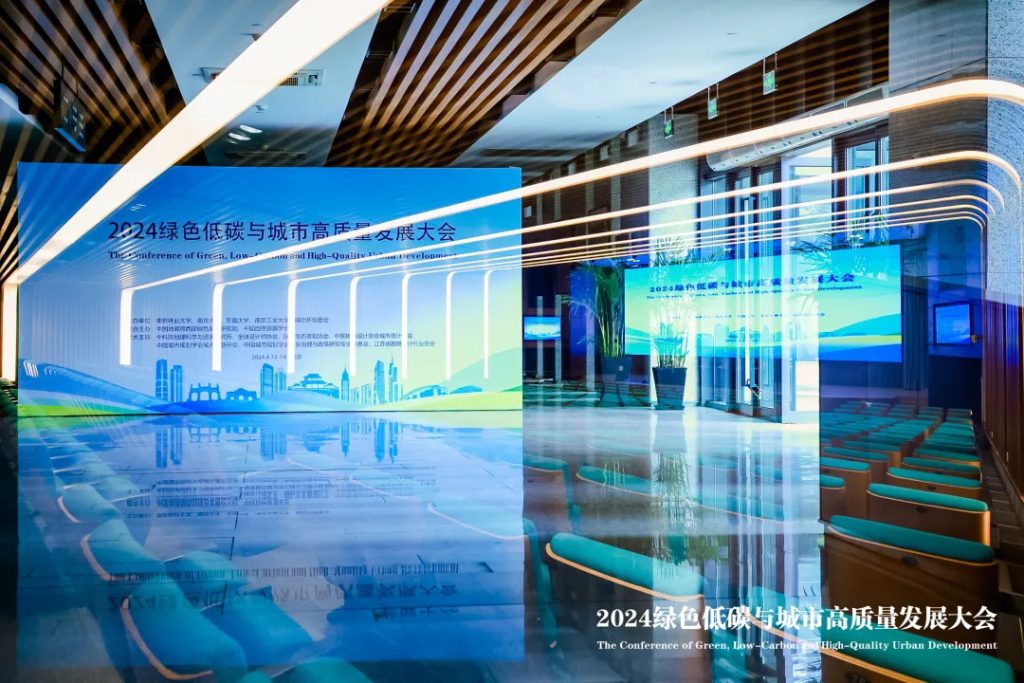
From April 12 to 14, the 2024 Conference of Green, Low-Carbon and High-Quality Urban Development was successfully held in Nanjing. Centering on the theme of green low-carbon transition and high-quality urban development, the event gathered scholars from renowned universities across the world, as well as guests engaged in urban planning, architectural design, landscape architecture, ecology and other fields. Participants joined hands to explore innovative pathways for low-carbon development and discuss the prospects of green growth.
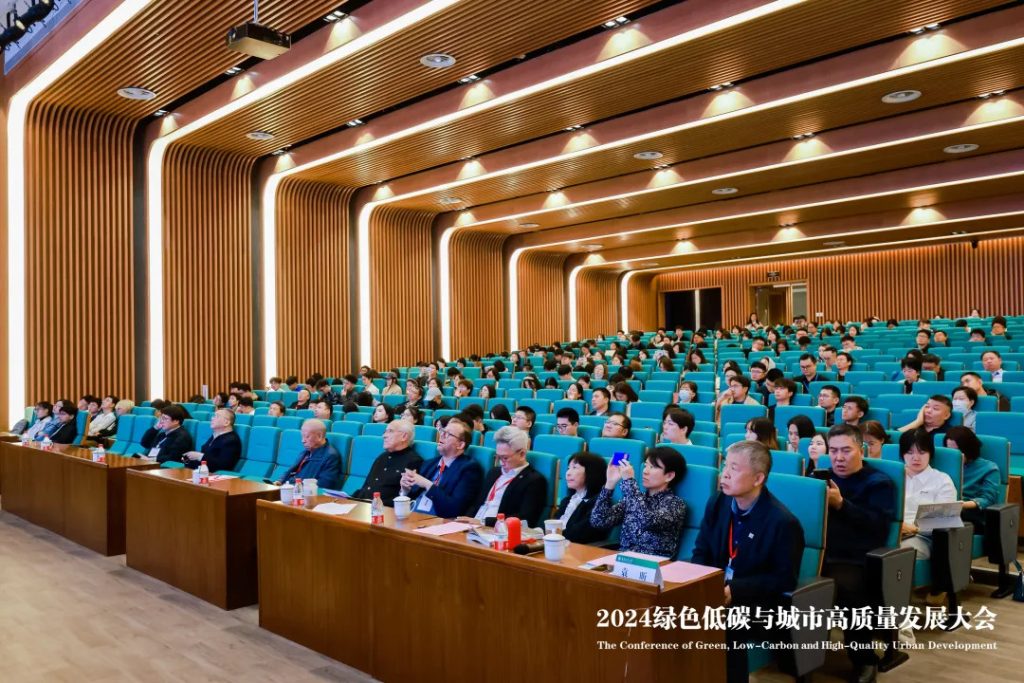
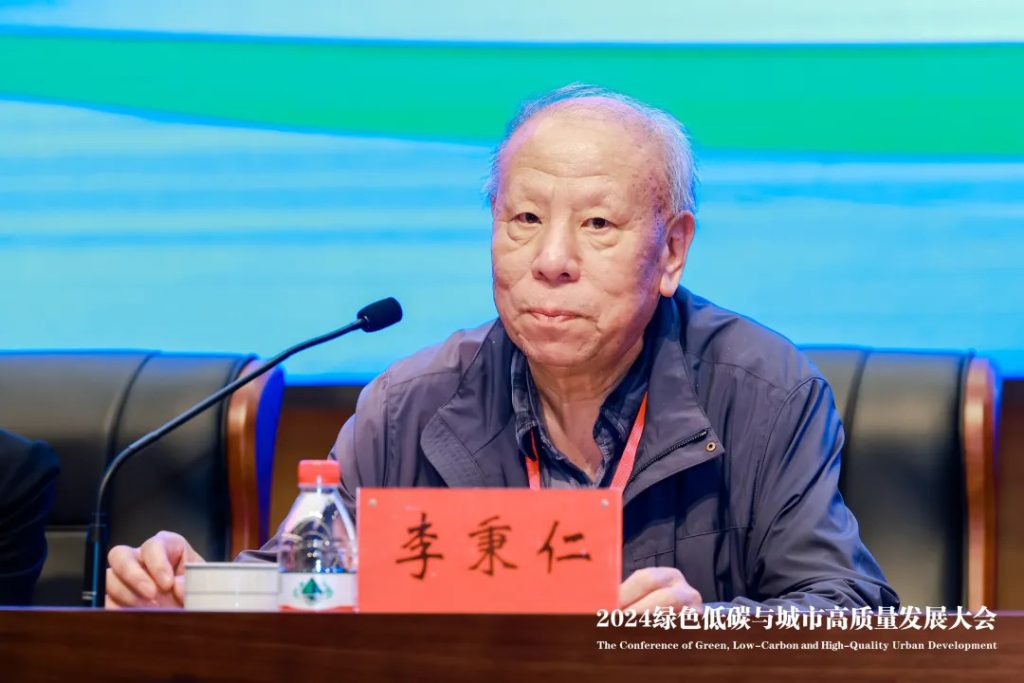
Li Bingren, Executive Deputy Director of the Science and Technology Committee under China’s Ministry of Housing and Urban-Rural Development and Chairman of the China International Urbanization Development Strategy Research Committee, delivered an address. He noted that jointly addressing climate change and pursuing sustainable development have become a global consensus. He called for strengthened exchanges and cooperation between Chinese and international experts to offer insights for China’s dual carbon goals, advance sustainable urban development, and contribute more to building a beautiful world for the future.
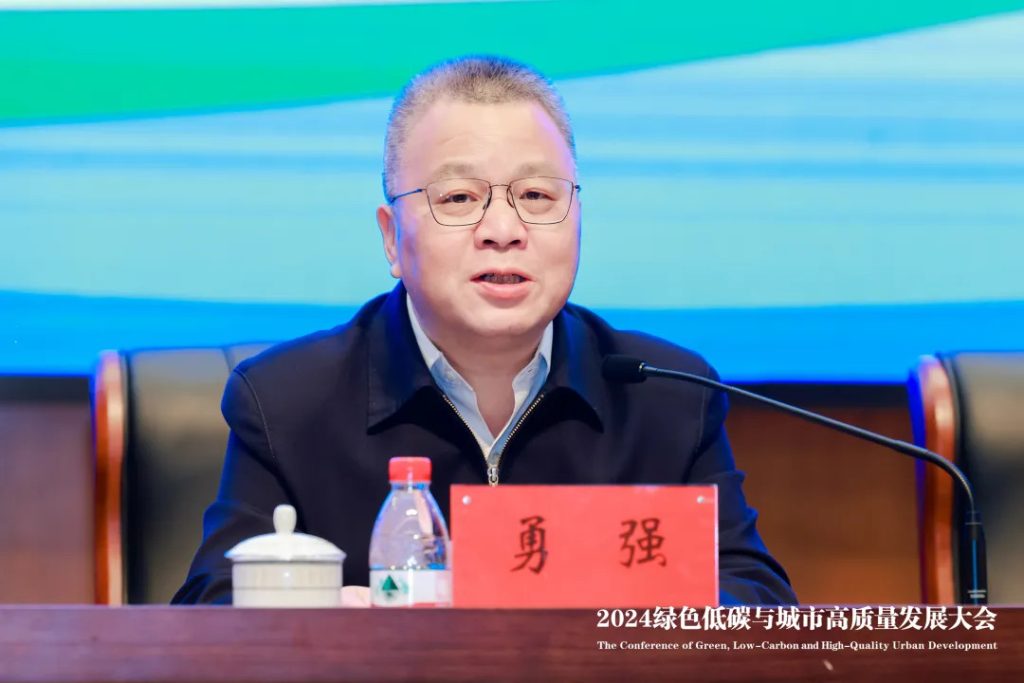
Yong Qiang, President of Nanjing Forestry University, extended a warm welcome to all attendees. He stated that co-hosting the conference aims to pool strengths from governments, universities and enterprises, and facilitate in-depth participation in practical initiatives including rural revitalization and urban regeneration. The university will leverage its expertise to advance green and low-carbon development and build a beautiful China featuring harmonious coexistence between humanity and nature.
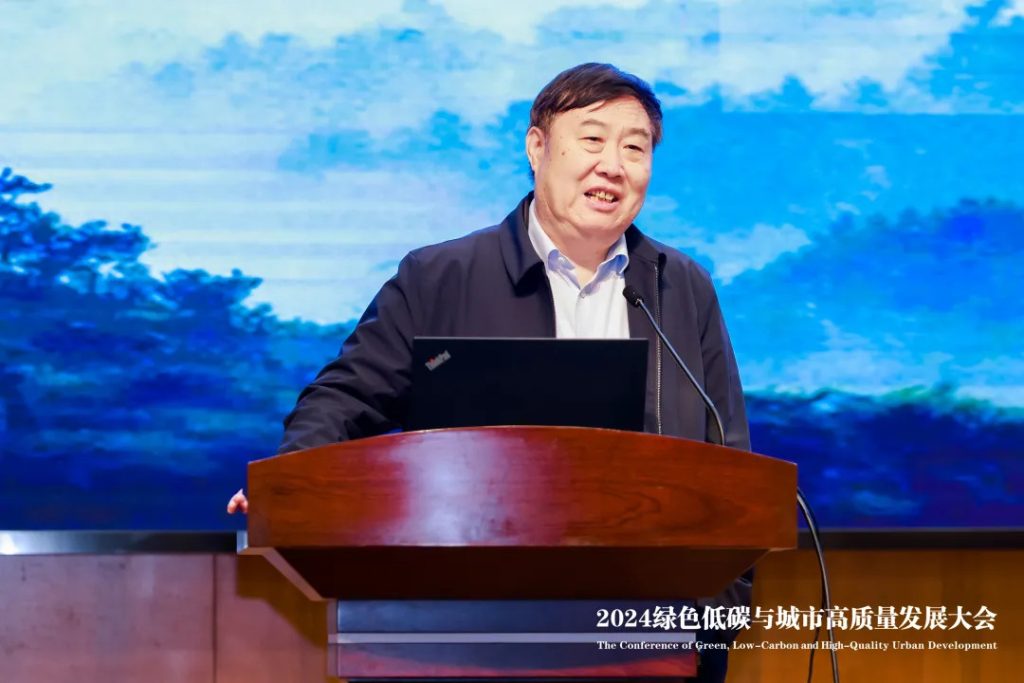
Fu Bojie, Member of the Chinese Academy of Sciences and Researcher at the Research Center for Eco-Environmental Sciences, CAS, delivered a keynote speech titled Ecosystem Conservation, Restoration and China’s Dual Carbon Goals. He pointed out that ecosystem management plays a vital role in realizing national carbon neutrality. It not only buys time for technological advancement, but also improves ecological environments and underpins sustainable and high-quality development. To build eco-cities, ecological planning must come first, so that ecological elements can be fully integrated into urban spaces and deliver tangible functions.
Pietro Elisei, President of the ISOCARP, remarked that building green cities requires bold visions, ideal-driven goals and pragmatic solutions to real-world challenges. Urban planning needs to integrate diverse elements, making cities not only eco-friendly, but also desirable places to live.
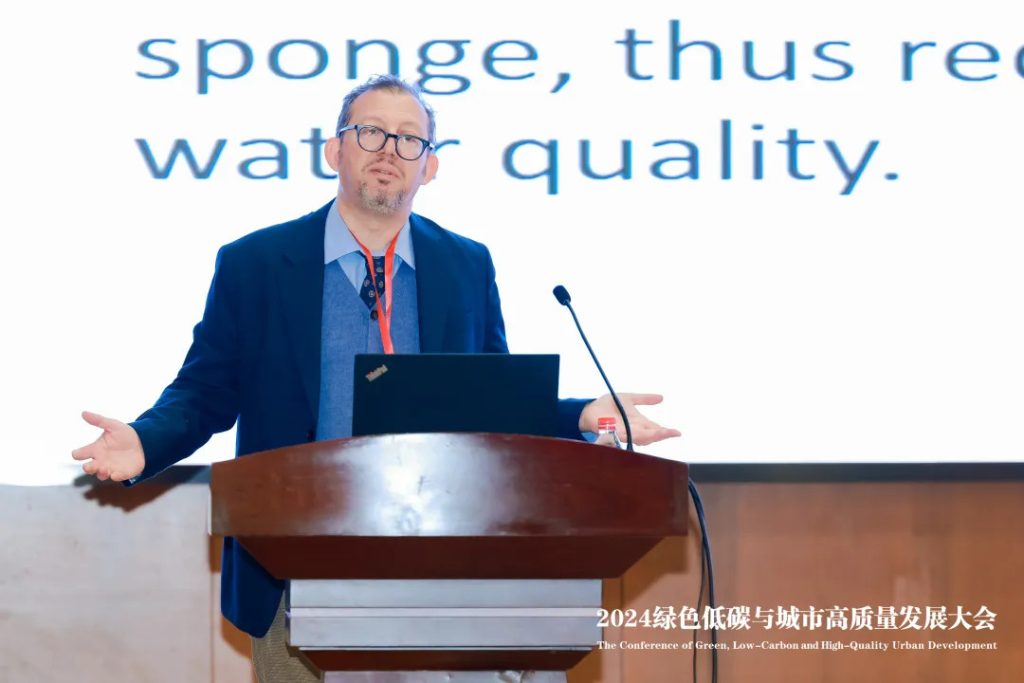
The conference consisted of keynote speeches and seven themed forums. Over the three-day event, guests from the International Society of City and Regional Planners, the National University of Singapore, the University of Hong Kong and other institutions, together with scholars from Tsinghua University, Peking University, Tongji University and experts from leading planning and design institutes across China, focused on urban regeneration, rural revitalization, high-quality city construction, livable communities and innovative development of landscape architecture. They shared research findings and best practices, conducted in-depth discussions and brainstorming sessions to fuel the green and low-carbon transition. Special sessions such as the Young Architects Forum showcased remarkable creativity and dynamic innovation.