
From April 23 to 25, the 2022 Healthy, Livable and Low-Carbon Cities International Conference & 12th YUANYE Summit Forum was held in Beijing. Over one hundred experts, scholars, designers and artists from various countries and regions gathered at the forum for academic exchanges.
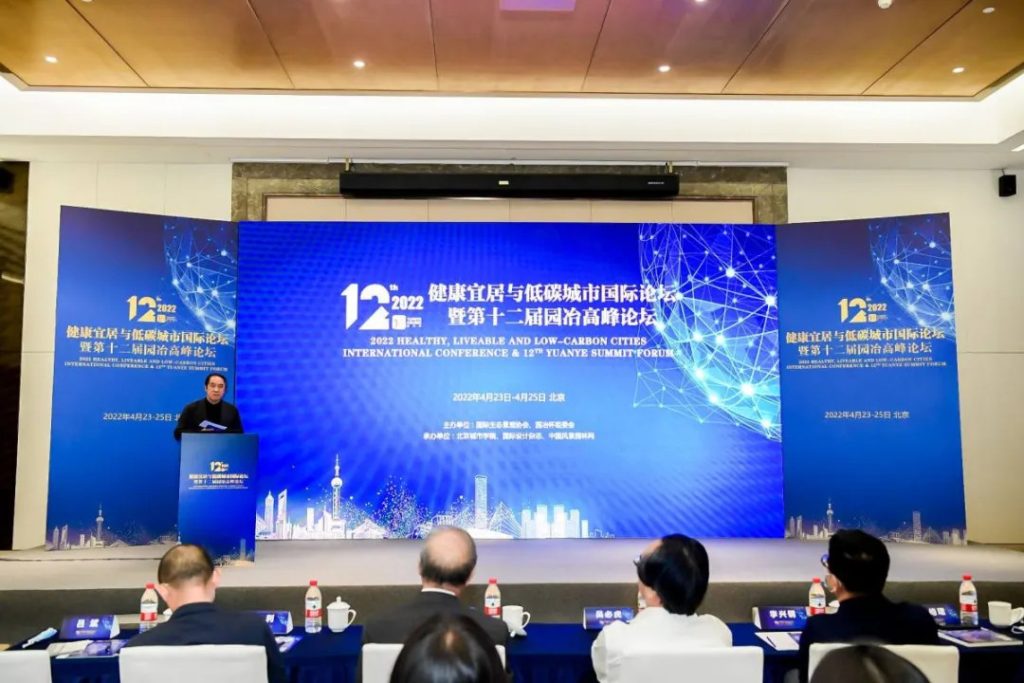
Embarking on a green and low-carbon development path has become a shared pursuit of all countries. Currently, nations worldwide are taking vigorous actions to achieve carbon reduction targets. It bears profound significance for specialists and practitioners in urban planning, architecture, landscape architecture and other relevant sectors to engage in in-depth discussions on tackling emerging challenges, building healthier and more livable living spaces, and advancing the sustainable development of the planet.
During the keynote session, two distinguished experts cited the designs of Beijing Winter Olympic venues including the National Ski Jumping Centre (Snow Ruyi) and National Speed Skating Oval (Snow Flying Swallow) to demonstrate how architectural design can embody ecological philosophies and fuel the sustainable development of cities in the long run.
Led by Professor Zhang Li, Dean of the School of Architecture, Tsinghua University, the design of the National Ski Jumping Centre strictly aligns with the United Nations Sustainable Development Goals. By adopting human factors design technologies, the facility caters to the evolution of people’s lifestyles and enables sports architecture to better meet the demands of the times.
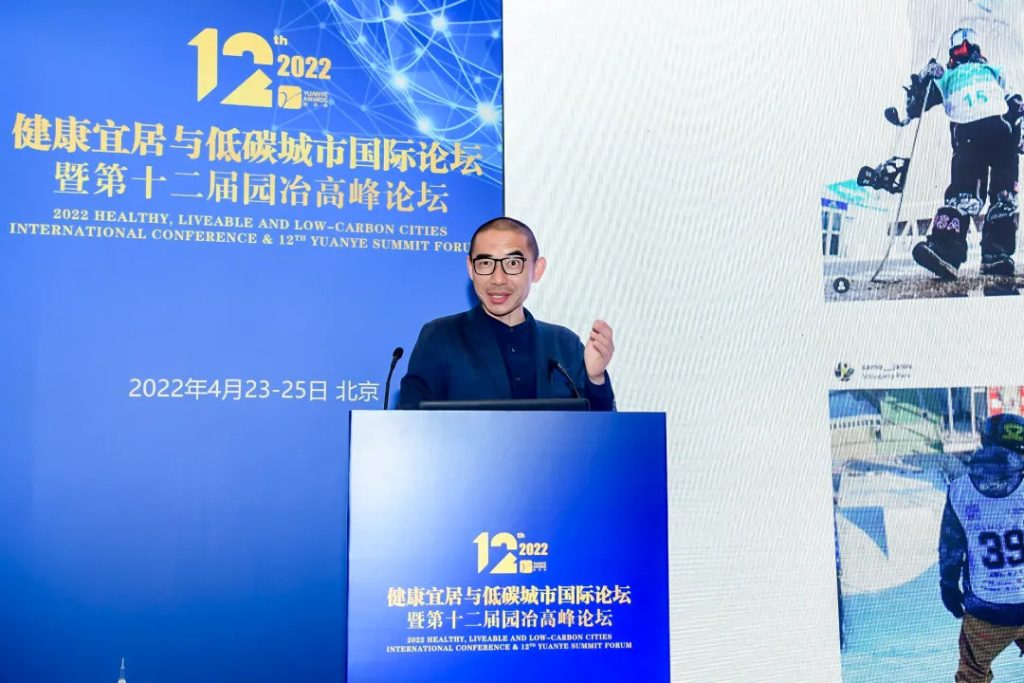
Designed by Chief Architect Li Xinggang of China Architecture Design & Research Group, the National Alpine Ski Centre minimizes adverse impacts on mountain and forest ecosystems and seamlessly integrates sports facilities into natural landscapes. Full arrangements were made for post-Olympic reuse of the venues, leaving the city a legacy of enduring value from the Winter Olympics.
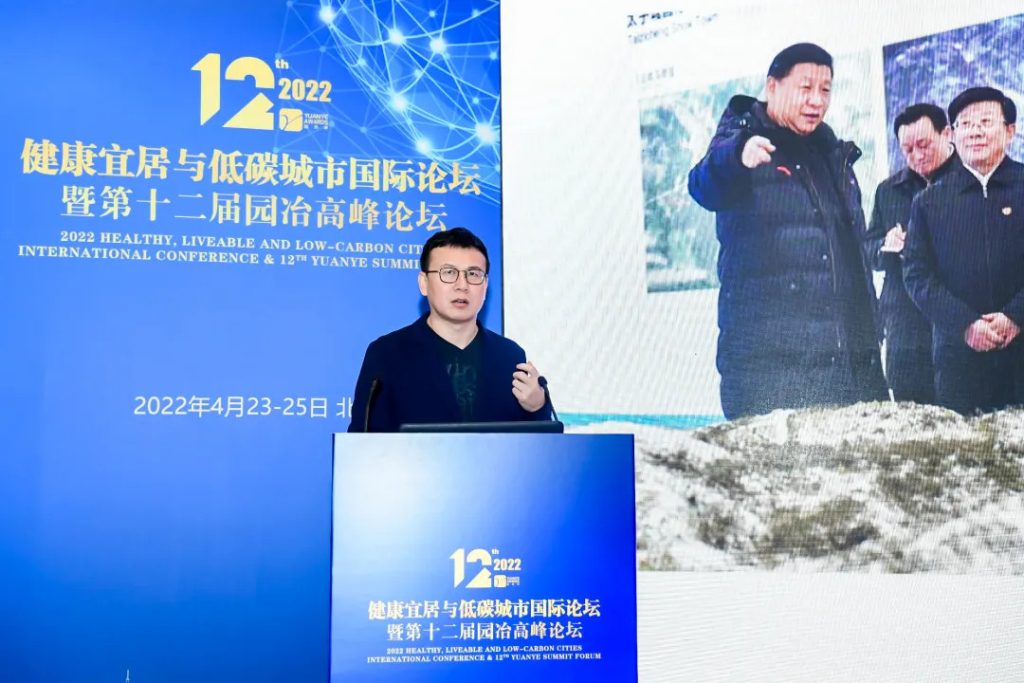
Professor Wu Bihu from the School of Urban and Environmental Sciences, Peking University offered solutions for developing peri-urban residential tourism in leisure tourist cities from the perspectives of rural revitalization and policy support. A host of professors and experts shared influential characteristic cases from different regions, elaborating on approaches to construct high-quality rural human settlements and clarifying the roles designers can play in rural revitalization.
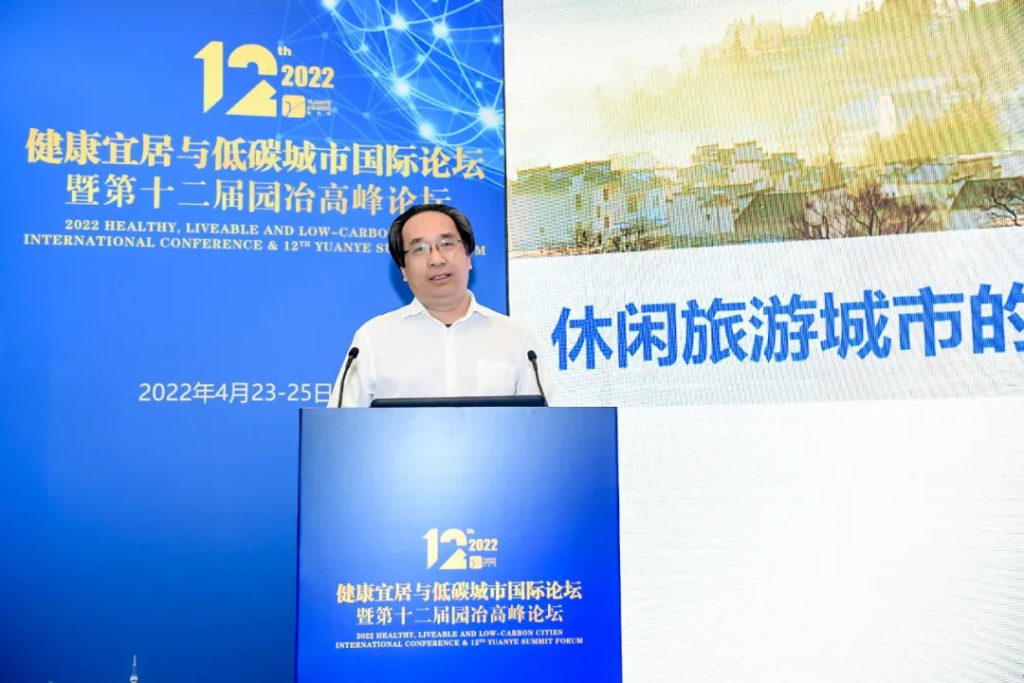
A special sub-forum themed Ecological Landscape Architecture and Climate Change was arranged for this event. Experts from France, Japan, Singapore, Australia and other countries presented domestic research outcomes and practical experience — such as Japan’s lessons learned from near-Pacific earthquakes — and discussed ways to enhance urban resilience via planning and design, so as to identify viable solutions to combat climate change.

The award ceremony for the 12th YUANYE AWARDS was also held throughout the forum.